Building Teacher Expertise into Decision-Making
K12 Coalition Managing Director of District Services Dr. Andrea Thomas-Reynolds explores how district leaders can build teacher expertise into decision-making in a new article for The Learning...
Share Post


By learning about students' summer reading experiences, connecting them with books they'll want to keep reading, creating inviting classroom libraries, and protecting daily reading time, schools can help students begin the year with confidence, curiosity, and lasting reading habits.
On the first day of school, teachers learn a lot about their students.
They notice who eagerly walks into the classroom library and who asks for another graphic novel by the same author. They also notice who quietly says, "I didn't really read this summer."
It's tempting to treat those moments as a way to sort students into categories: readers and nonreaders, motivated and reluctant.
But those first conversations can do something much more valuable. They can help teachers understand who students are becoming as readers.
The books students chose, abandoned, reread, or recommended over the summer offer insight that no beginning-of-year assessment can capture. They tell us about curiosity, persistence, interests, and the kinds of texts students will stay with over time.
Those are powerful places to begin the school year.
The first weeks of school are often filled with assessments. Those assessments provide valuable information about students' decoding, fluency, and comprehension. They tell us how students read, but less about why they read.
Alongside beginning-of-year assessments, consider making time to learn about students' reading lives. A simple interest survey or reading conference can reveal the books, topics, and authors that have captured students' attention and help you place the next great book in their hands.
Consider asking questions like:
The answers spark conversation and give teachers insight into students' interests, habits, and reading identities. They also communicate something equally important to students: that the books they choose, the questions they ask, and the kinds of stories they enjoy have a place in the classroom.
Those conversations become the starting point for thoughtful book recommendations, classroom library displays, and reading experiences that invite students to keep turning pages long after the first week of school.
One pattern we often see is that students spend the first several weeks of school waiting to find the "right" book.
Instead, imagine if every student left the first week already holding a book they were excited to continue reading.
If a student loved fantasy over the summer, recommend the next series.
If another discovered biographies, point them toward narrative nonfiction connected to your first knowledge-building unit.
If a child tells you they only finished graphic novels, celebrate that success, and have more waiting for them on the shelf.
When students find books they genuinely want to keep reading, they are more likely to sustain the reading experiences that build knowledge, stamina, and confidence over time.
The first classroom library students encounter sends a message about what reading is for.
Does it invite students to explore?
Does it reflect a wide range of interests?
Does it include books students can finish, recommend, debate, and revisit?
We believe that world-class literature and robust independent reading are essential to helping students become lifelong readers. Students don't fall in love with reading because they complete more reading logs or answer more comprehension questions.
They fall in love with reading when exceptional books are always within reach and the school day makes space to immerse themselves in them. That means building classroom libraries filled with books students are excited to pick up and protecting dedicated time each day for sustained independent reading.
One simple way to begin is by organizing displays around interests rather than levels.
Try:
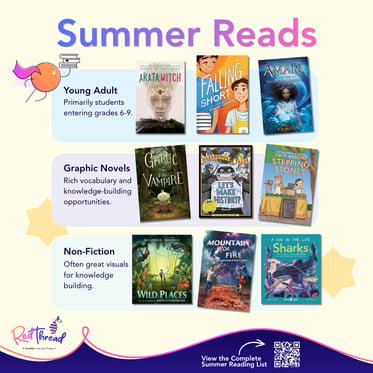
Need more suggestions for your classroom library? Review our Summer Reading List here.
One of the easiest ways to launch a reading community is to let students become the experts.
During the first few weeks, invite students to complete a simple prompt:
If you liked _____, you should read _____ because... or
This book surprised me because...
As students begin recommending books to one another, something shifts in the classroom. The library becomes more than a collection of books on shelves. It becomes a place shaped by students' experiences as readers.
Teachers gain insight into what students are choosing, while students discover their next book through conversations with classmates. Reading starts to feel like something the class builds together.
The beginning of the school year is full of routines to establish. Students learn where to put their backpacks, how to transition between lessons, and what classroom expectations look like. Reading deserves to become one of those routines from day one.
Set aside a dedicated block of time each day when the classroom slows down, and everyone reads. Dim the lights, play soft instrumental music if it helps students settle, and invite them to become immersed in their books. Just as importantly, join them.
When teachers read alongside students, they send a powerful message: reading isn't simply another task to complete. It's something adults value, make time for, and genuinely enjoy.
These moments don't need to be interrupted by frequent check-ins or accountability measures. Instead, they give students the opportunity to build the stamina that comes from sustained attention to a text. Over time, students begin to anticipate this part of the day, a predictable opportunity to settle into a story, follow an idea across chapters, and experience the satisfaction of getting lost in a book.
Protecting reading time from the very beginning of the year sends a clear message: reading is not something we fit in when there's time. It is one of the most important things we do.
Summer reading doesn't end when students walk back into school. It becomes the foundation for the reading lives they continue building throughout the year.
By beginning with students' interests, recommendations, and reading experiences, and by ensuring classroom libraries are ready with books that match those interests, teachers create an early message that reading is not just something students do for school.
To help schools continue the momentum, we created the RedThread Summer Reading Guide for Grades K–8. Use it as a back-to-school resource, refresh your classroom library with new recommendations, or share it with families looking for the next great book.
At the heart of RedThread Literacy is a simple belief: students become great readers by spending time with world-class literature. When exceptional books are within reach, and students have dedicated time to read them every day, they begin to build the habits, stamina, and joy that last well beyond the first weeks of school.
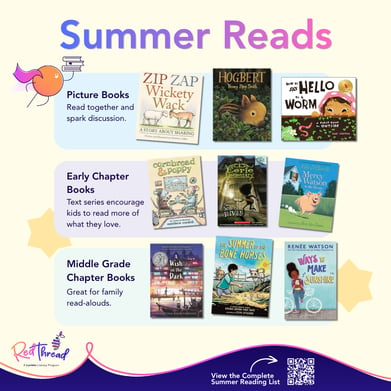
Whether you're refreshing your classroom library, planning beginning-of-year book talks, or looking for recommendations to share with families, our Summer Reading Guide for Grades K–8 can help you put the right books into students' hands.
Why is a reading interest survey important?
A reading interest survey helps teachers understand students' preferences, reading habits, and motivation so they can recommend books that students are more likely to finish and enjoy.
When should independent reading begin?
Independent reading can begin during the first week of school. Establishing a daily reading routine early communicates that reading is a valued part of classroom life.
How can teachers motivate reluctant readers?
Start with student interests rather than reading levels. Matching students with books they genuinely enjoy helps build confidence, stamina, and long-term reading habits.
 Literacy InstructionScience of ReadingCurriculum Implementation & AdoptionEarly LiteracyAccelerated LearningMiddle School LiteracyNewsProfessional DevelopmentSummer Learning ProgramsESSR FundingSchool ImprovementSummer School CurriculumDistrict LeadershipEvidence-Based Math StrategiesInstructional CoachingProfessional LearningSummer ReadingTeacher Recruitment & Retention
K12 Coalition Managing Director of District Services Dr. Andrea Thomas-Reynolds explores how district leaders can build teacher expertise into decision-making in a new article for The Learning...
The best K–8 literacy programs do more than include phonics, vocabulary, writing, and knowledge-building. They create a coherent literacy curriculum...
